Magnum Editions: Havana, Cuba, 2014
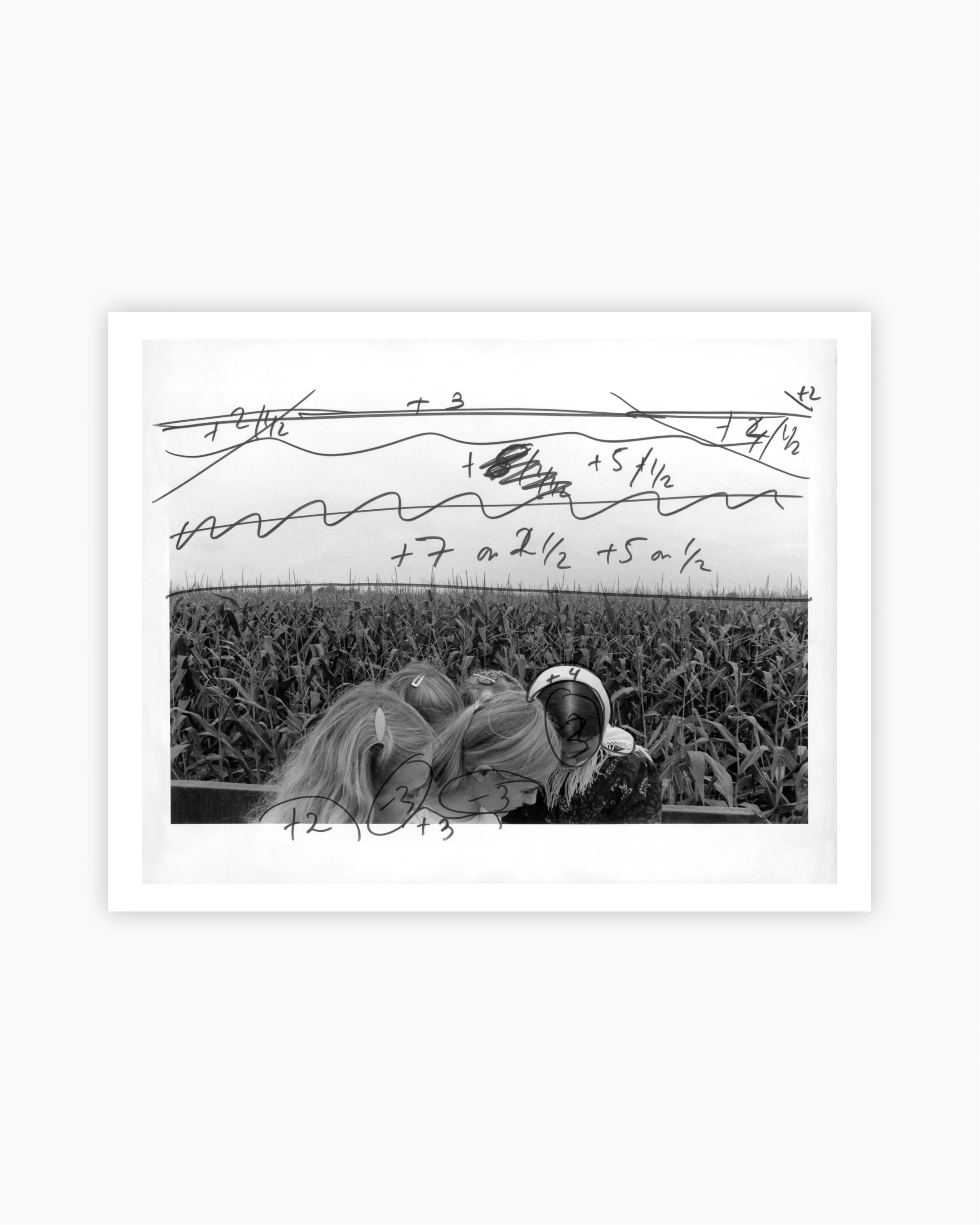
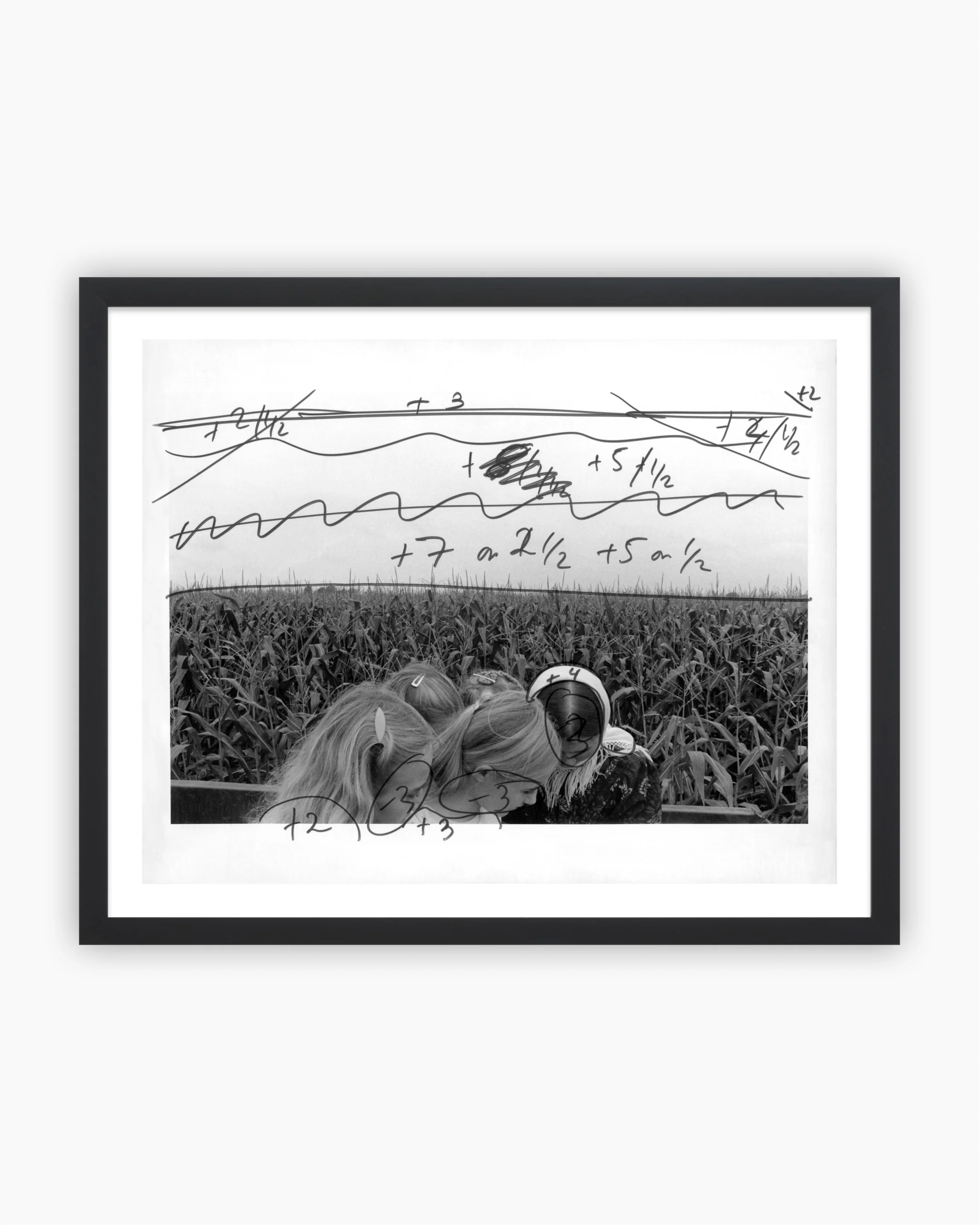
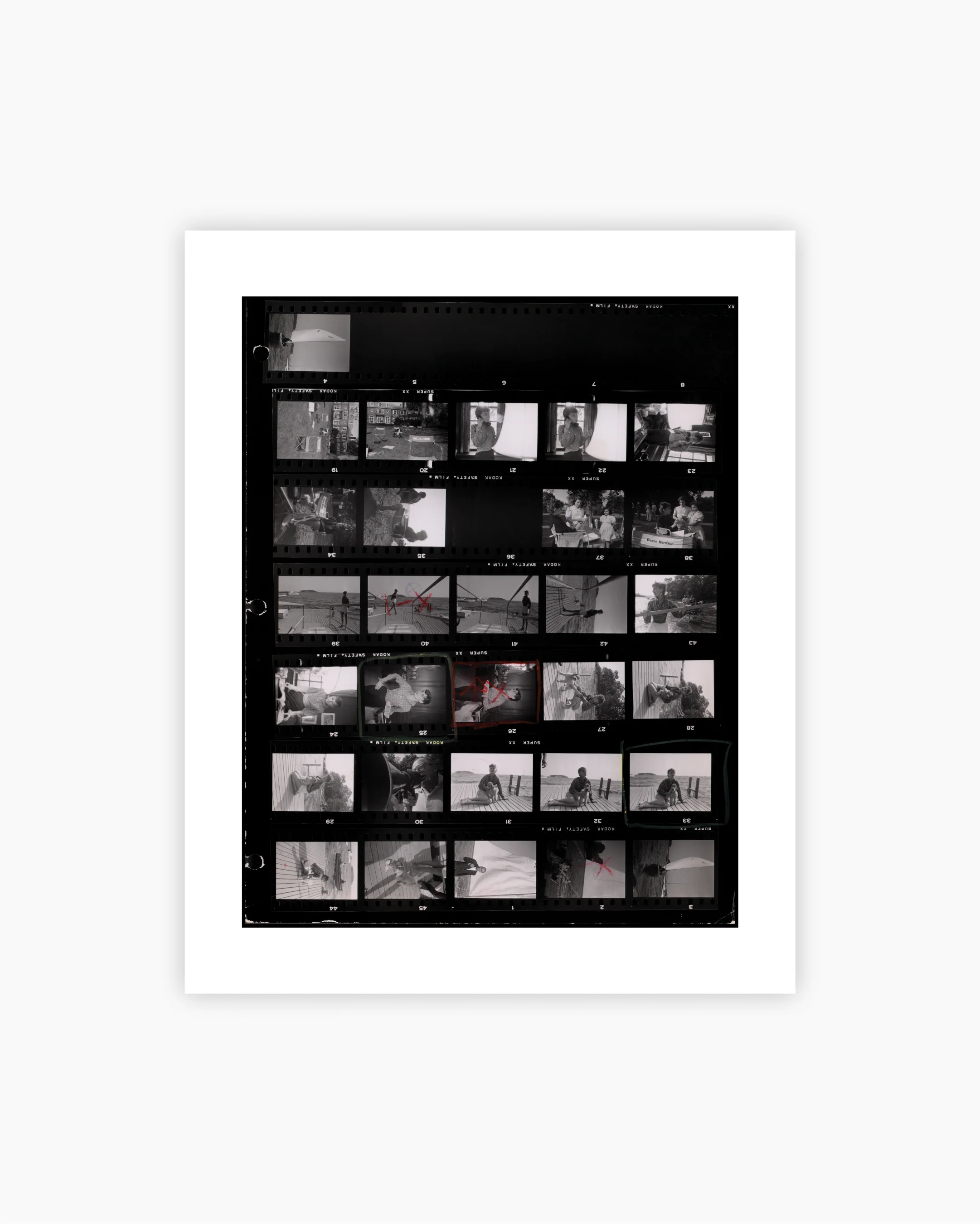
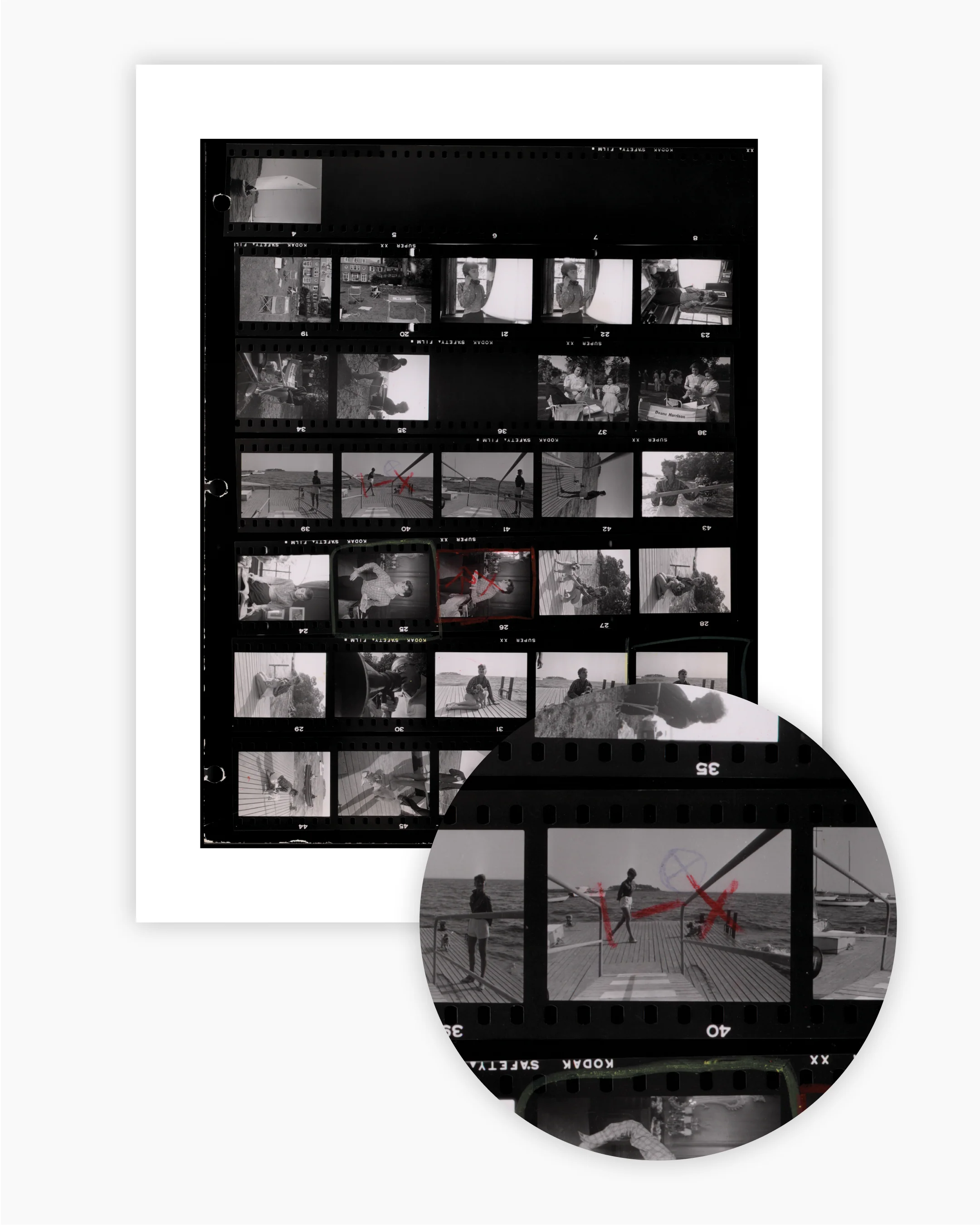
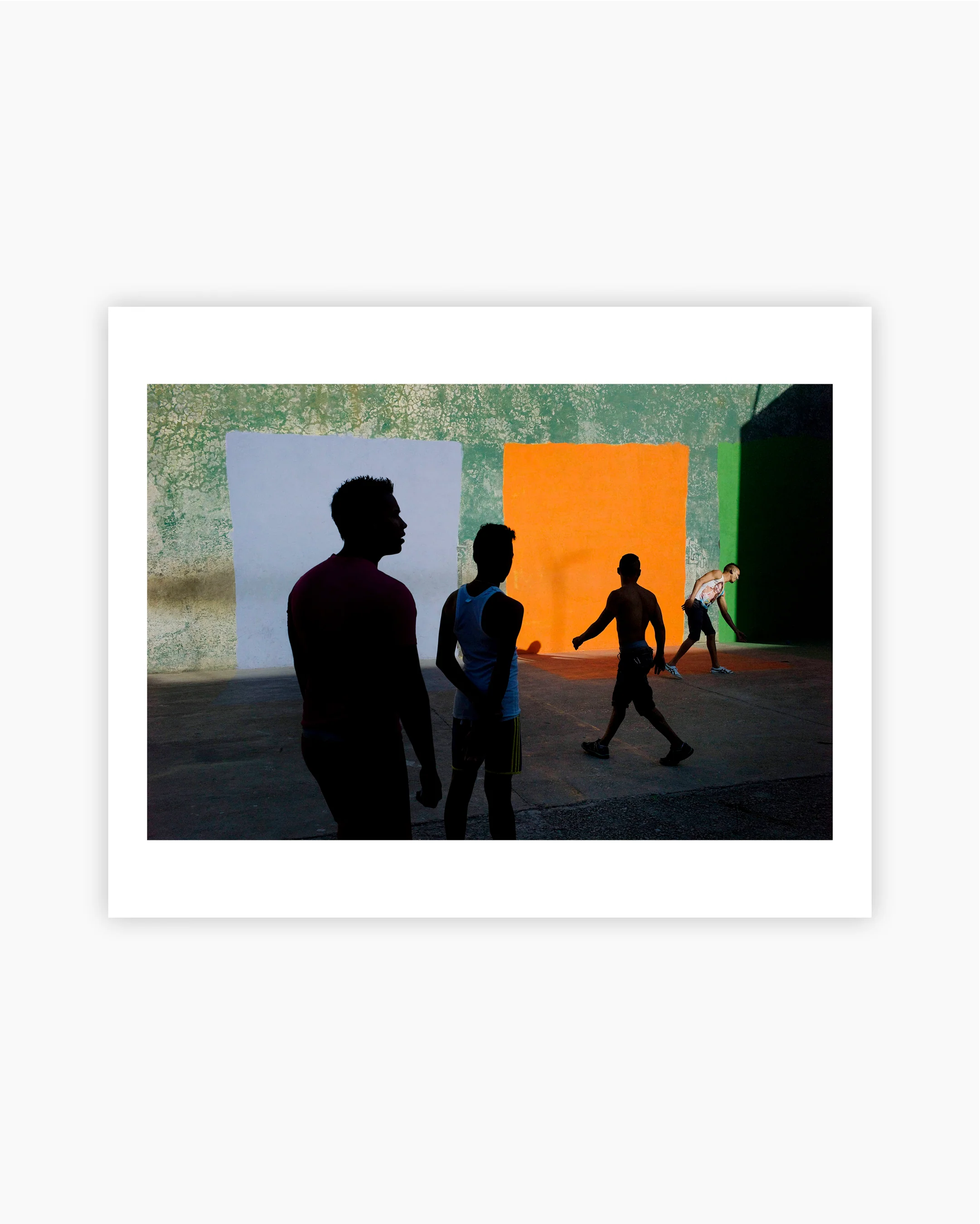
Nikos Economopoulos’ early black and white work saw him photographing his native Greece and its neighbours, primarily focusing upon displaced and liminal groups – including refugees and the Roma. Following the fall of Yugoslavia, he photographed extensively in the Balkan Peninsula, creating work which won him the 1992 Mother Jones Award for Documentary Photography. It was later that the photographer became focused on making color work, revelling in the opportunities the medium offered: “Black and white transcends reality by removing a very significant part of it: the color. Its simplicity and deductive character allow for abstraction… Color is more realistic. To get the same outcome, the same contrasts and tensions, the same sense of intensity is more complicated… You need to engage other tools, like the quality of light and a sense of balance between colors.” Cuba was to become a focal point for his color work. The photographer was allured by the similarities he saw between southern Europe and Latin America: “As I kept going back, I realized that what actually inspired me was the interaction among its people, the ways in which they share and connect, creating spaces where one doesn’t feel like a stranger. This warmth is omnipresent…” In this image – one of his favourites made in Cuba – a “mystical space, a choreography of gestures and postures [is formed] around an object that is not present.”
Product Information
Product Information
Shipping & Returns
Shipping & Returns
Magnum Editions: Havana, Cuba, 2014
Magnum Editions: Havana, Cuba, 2014
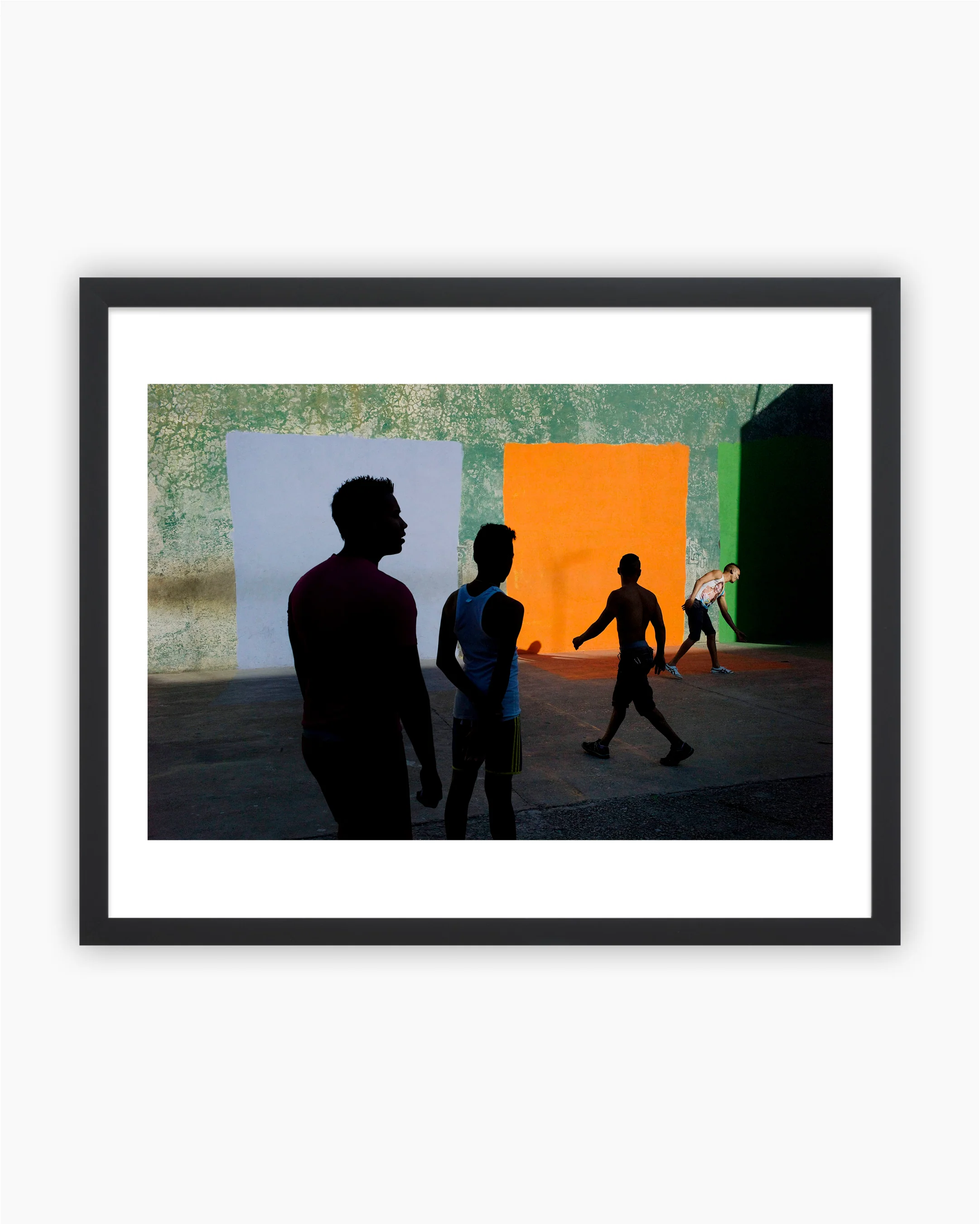
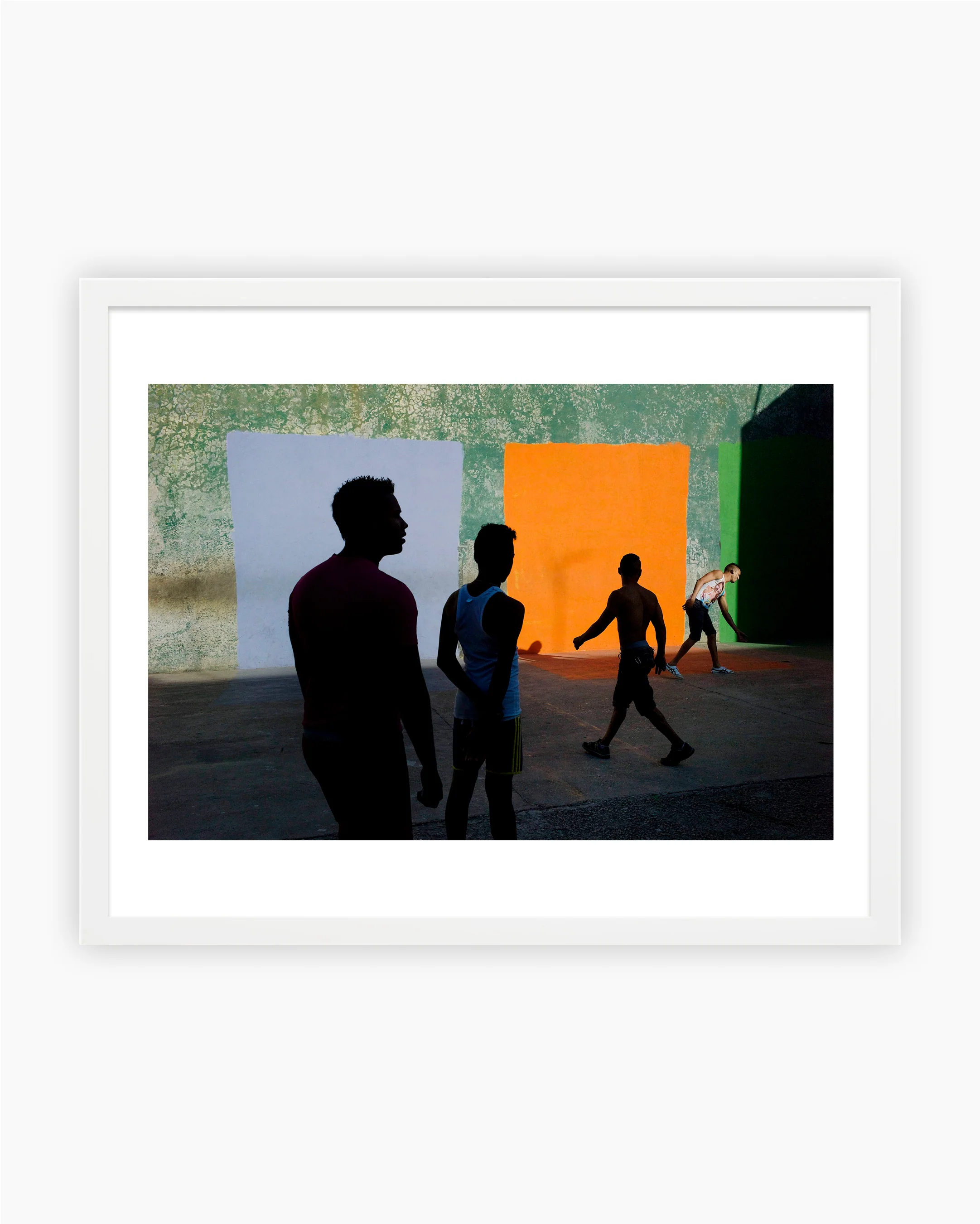
Nikos Economopoulos’ early black and white work saw him photographing his native Greece and its neighbours, primarily focusing upon displaced and liminal groups – including refugees and the Roma. Following the fall of Yugoslavia, he photographed extensively in the Balkan Peninsula, creating work which won him the 1992 Mother Jones Award for Documentary Photography. It was later that the photographer became focused on making color work, revelling in the opportunities the medium offered: “Black and white transcends reality by removing a very significant part of it: the color. Its simplicity and deductive character allow for abstraction… Color is more realistic. To get the same outcome, the same contrasts and tensions, the same sense of intensity is more complicated… You need to engage other tools, like the quality of light and a sense of balance between colors.” Cuba was to become a focal point for his color work. The photographer was allured by the similarities he saw between southern Europe and Latin America: “As I kept going back, I realized that what actually inspired me was the interaction among its people, the ways in which they share and connect, creating spaces where one doesn’t feel like a stranger. This warmth is omnipresent…” In this image – one of his favourites made in Cuba – a “mystical space, a choreography of gestures and postures [is formed] around an object that is not present.”
Original: $400.00
-65%$400.00
$140.00Product Information
Product Information
Shipping & Returns
Shipping & Returns
Description
Nikos Economopoulos’ early black and white work saw him photographing his native Greece and its neighbours, primarily focusing upon displaced and liminal groups – including refugees and the Roma. Following the fall of Yugoslavia, he photographed extensively in the Balkan Peninsula, creating work which won him the 1992 Mother Jones Award for Documentary Photography. It was later that the photographer became focused on making color work, revelling in the opportunities the medium offered: “Black and white transcends reality by removing a very significant part of it: the color. Its simplicity and deductive character allow for abstraction… Color is more realistic. To get the same outcome, the same contrasts and tensions, the same sense of intensity is more complicated… You need to engage other tools, like the quality of light and a sense of balance between colors.” Cuba was to become a focal point for his color work. The photographer was allured by the similarities he saw between southern Europe and Latin America: “As I kept going back, I realized that what actually inspired me was the interaction among its people, the ways in which they share and connect, creating spaces where one doesn’t feel like a stranger. This warmth is omnipresent…” In this image – one of his favourites made in Cuba – a “mystical space, a choreography of gestures and postures [is formed] around an object that is not present.”