Agony in the Garden
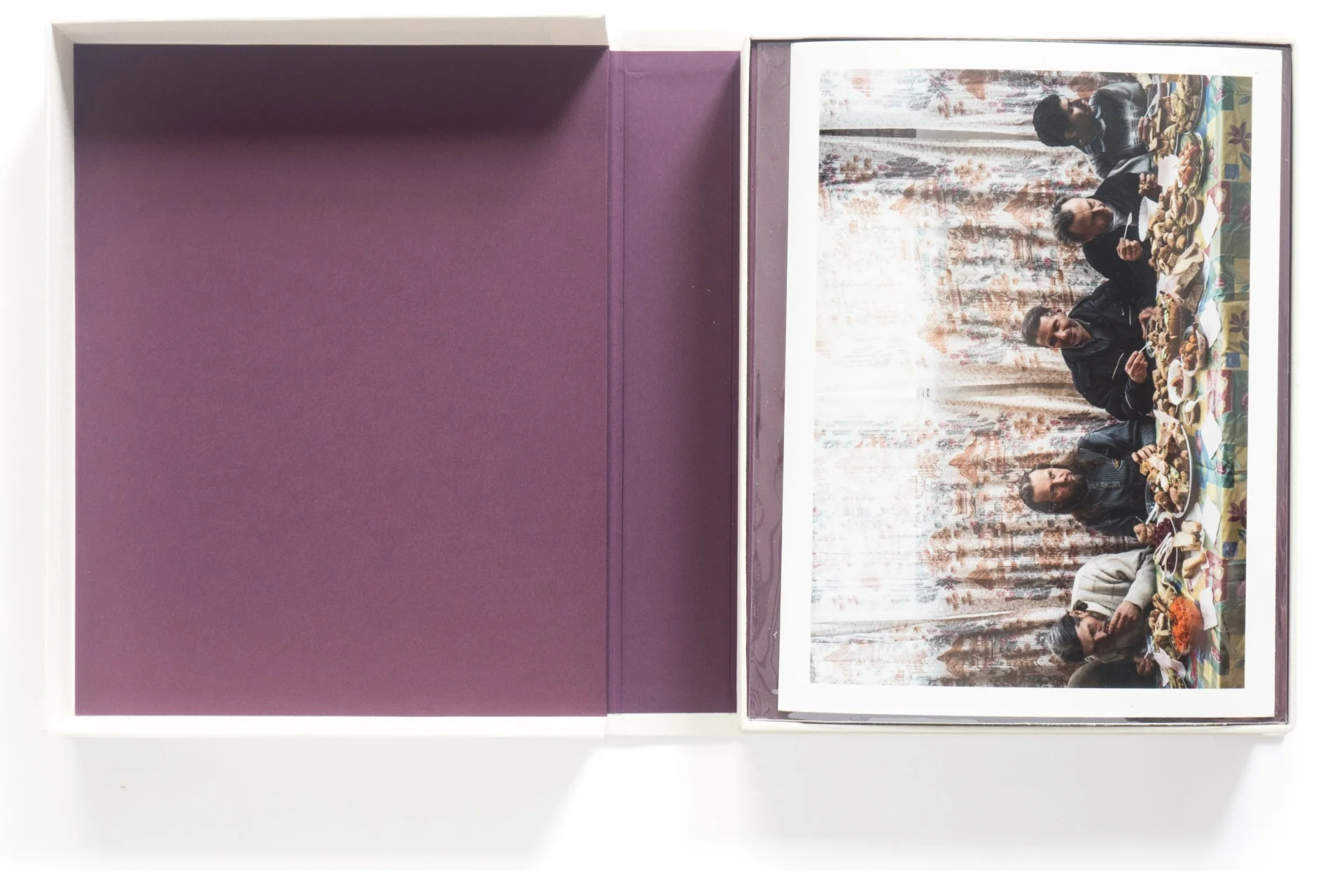
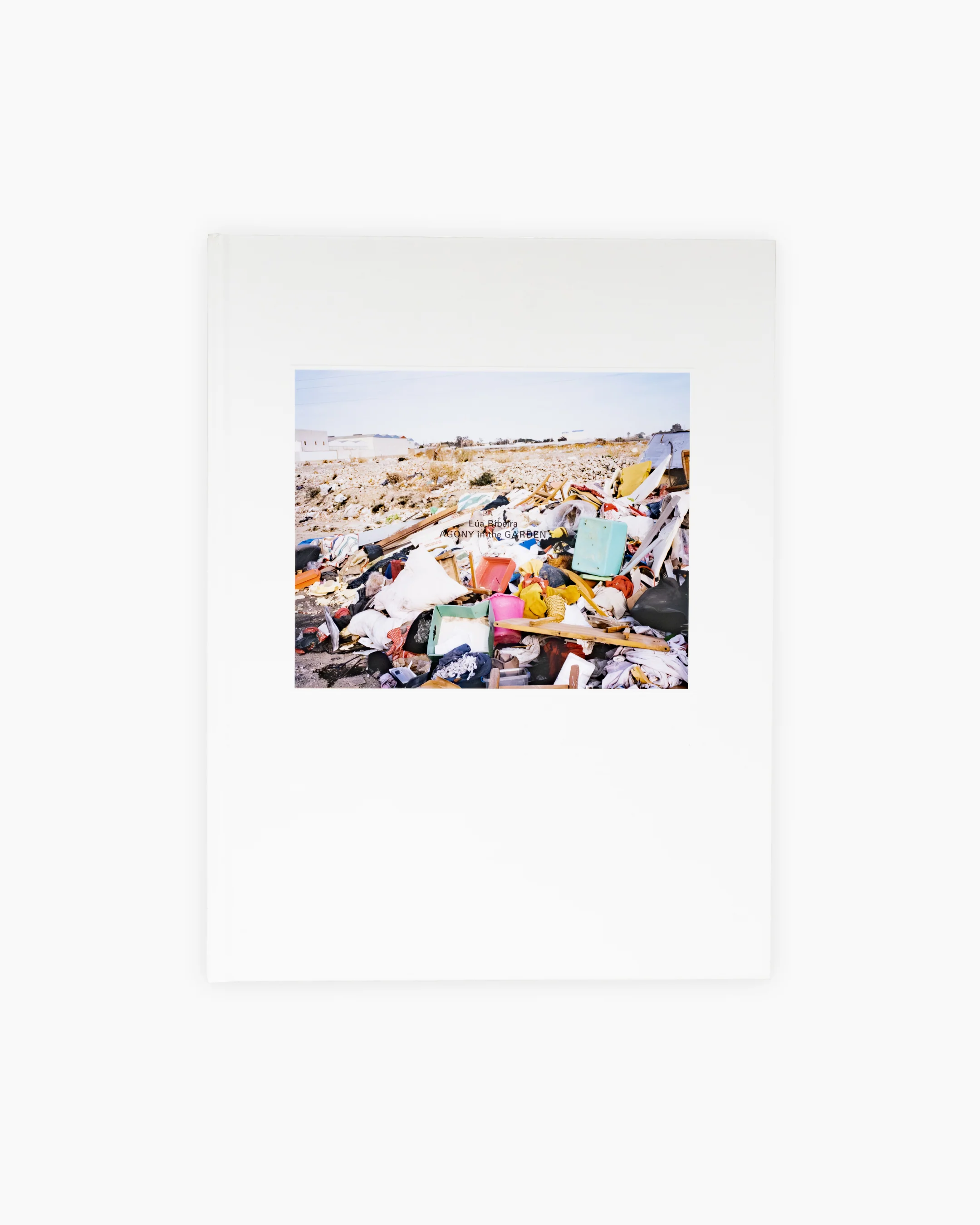
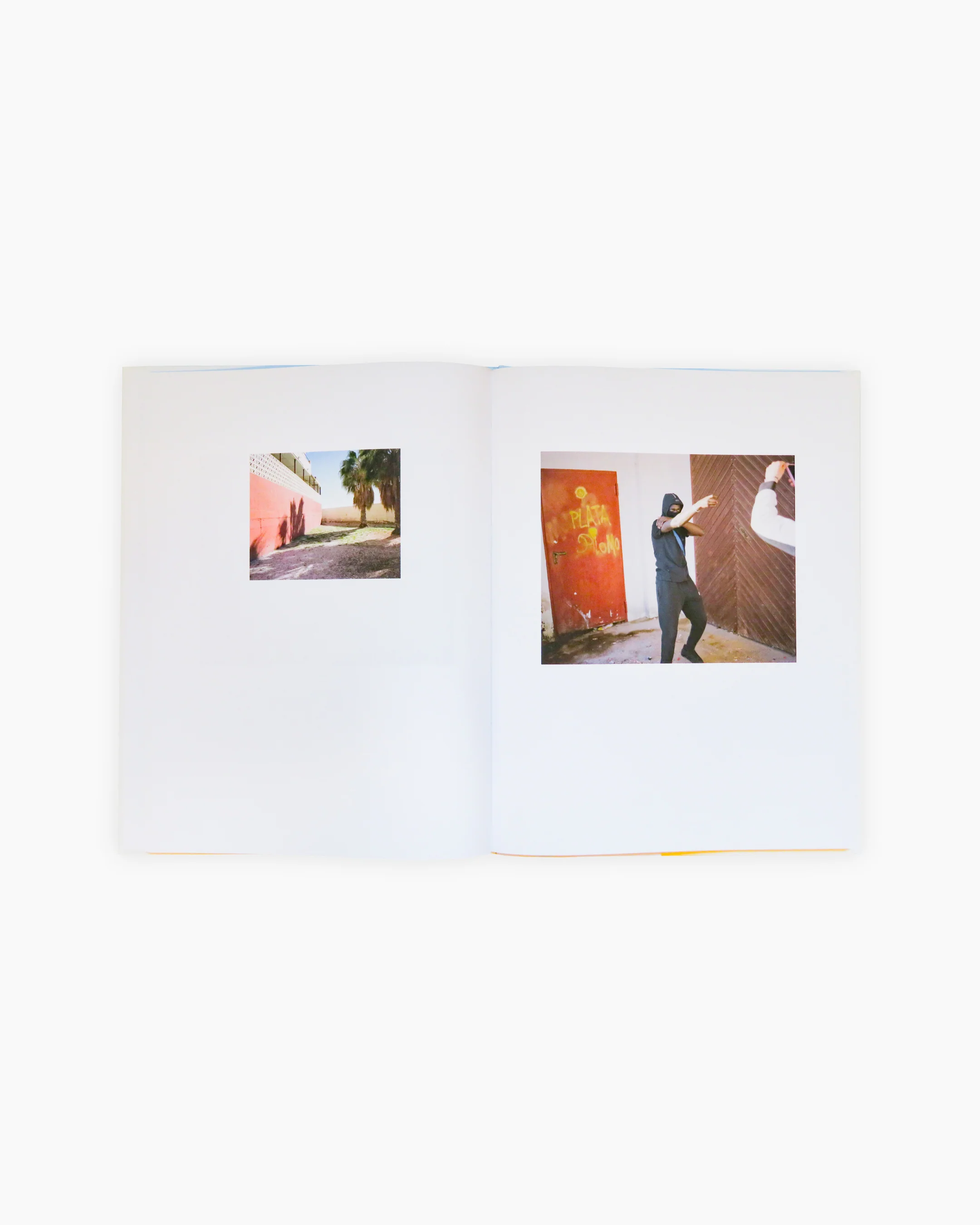
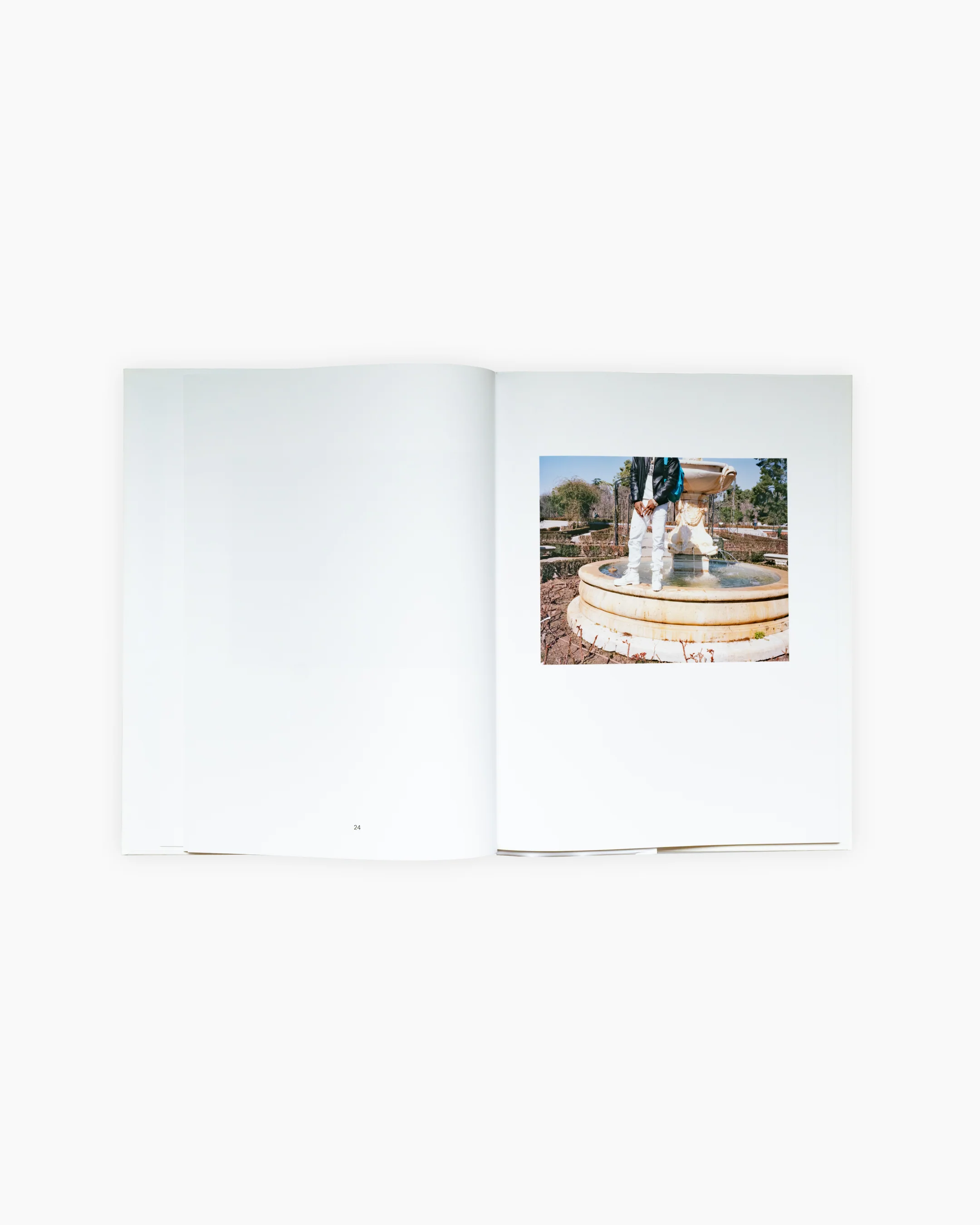
Agony in the Garden is a series by Lúa Ribeira created in the peripheries of Madrid, Málaga, Granada and Almería. Inspired by the potential of contemporary counter-culture, she has collaborated with young people to make images that reflect on the alienation and uncertainty of the present era, resulting in a landscape suspended in time, one that appears both contemporary and ancient.
The sequence takes us through a barren, almost videogame-like landscape, where we encounter people who emerge as characters of an environment that is both local and global. The clothing, gestures and signs show affinities with and influence from online worlds and personas, echoing the extremes of hedonism and nihilism, all of which plays out in the backdrop of a rapidly homogenising world.
From this dystopian and sometimes absurd atmosphere, Agony in the Garden reflects on the current phenomenon of material overproduction, widespread precariousness, institutional violence, and ongoing financial, migratory and environmental crises. This visceral feeling of uncertainty permeates throughout the work, whilst Ribeira’s inclusion of religious motifs and imagery nods towards more universal themes
and a suspension of temporality. Underpinning all of this is a sense of tragedy and rootlessness, countered only by the energetic vibrancy of the youthful bodies that parade through the photographs.
Brought together in this book following extensive research and collaboration with her models, Agony in the Garden grapples with photography’s weighted disposition to ‘represent’ reality and create testimonials, leaning instead towards a more allegorical view of the contemporary moment.
Product Information
Product Information
Shipping & Returns
Shipping & Returns
Agony in the Garden
Agony in the Garden
Agony in the Garden is a series by Lúa Ribeira created in the peripheries of Madrid, Málaga, Granada and Almería. Inspired by the potential of contemporary counter-culture, she has collaborated with young people to make images that reflect on the alienation and uncertainty of the present era, resulting in a landscape suspended in time, one that appears both contemporary and ancient.
The sequence takes us through a barren, almost videogame-like landscape, where we encounter people who emerge as characters of an environment that is both local and global. The clothing, gestures and signs show affinities with and influence from online worlds and personas, echoing the extremes of hedonism and nihilism, all of which plays out in the backdrop of a rapidly homogenising world.
From this dystopian and sometimes absurd atmosphere, Agony in the Garden reflects on the current phenomenon of material overproduction, widespread precariousness, institutional violence, and ongoing financial, migratory and environmental crises. This visceral feeling of uncertainty permeates throughout the work, whilst Ribeira’s inclusion of religious motifs and imagery nods towards more universal themes
and a suspension of temporality. Underpinning all of this is a sense of tragedy and rootlessness, countered only by the energetic vibrancy of the youthful bodies that parade through the photographs.
Brought together in this book following extensive research and collaboration with her models, Agony in the Garden grapples with photography’s weighted disposition to ‘represent’ reality and create testimonials, leaning instead towards a more allegorical view of the contemporary moment.
Product Information
Product Information
Shipping & Returns
Shipping & Returns
Description
Agony in the Garden is a series by Lúa Ribeira created in the peripheries of Madrid, Málaga, Granada and Almería. Inspired by the potential of contemporary counter-culture, she has collaborated with young people to make images that reflect on the alienation and uncertainty of the present era, resulting in a landscape suspended in time, one that appears both contemporary and ancient.
The sequence takes us through a barren, almost videogame-like landscape, where we encounter people who emerge as characters of an environment that is both local and global. The clothing, gestures and signs show affinities with and influence from online worlds and personas, echoing the extremes of hedonism and nihilism, all of which plays out in the backdrop of a rapidly homogenising world.
From this dystopian and sometimes absurd atmosphere, Agony in the Garden reflects on the current phenomenon of material overproduction, widespread precariousness, institutional violence, and ongoing financial, migratory and environmental crises. This visceral feeling of uncertainty permeates throughout the work, whilst Ribeira’s inclusion of religious motifs and imagery nods towards more universal themes
and a suspension of temporality. Underpinning all of this is a sense of tragedy and rootlessness, countered only by the energetic vibrancy of the youthful bodies that parade through the photographs.
Brought together in this book following extensive research and collaboration with her models, Agony in the Garden grapples with photography’s weighted disposition to ‘represent’ reality and create testimonials, leaning instead towards a more allegorical view of the contemporary moment.