Magnum Editions: Savoy Ballroom, Harlem, 1939
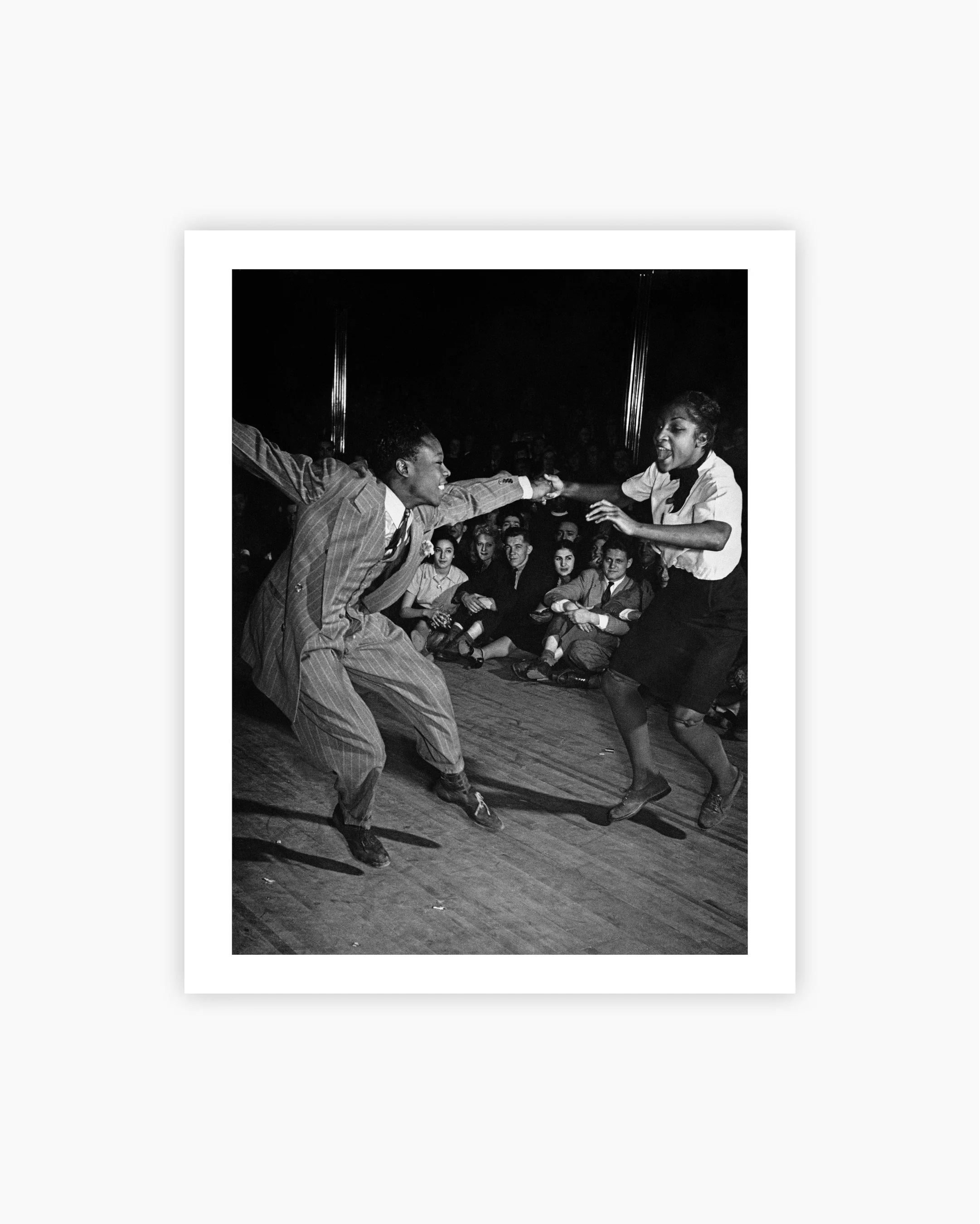
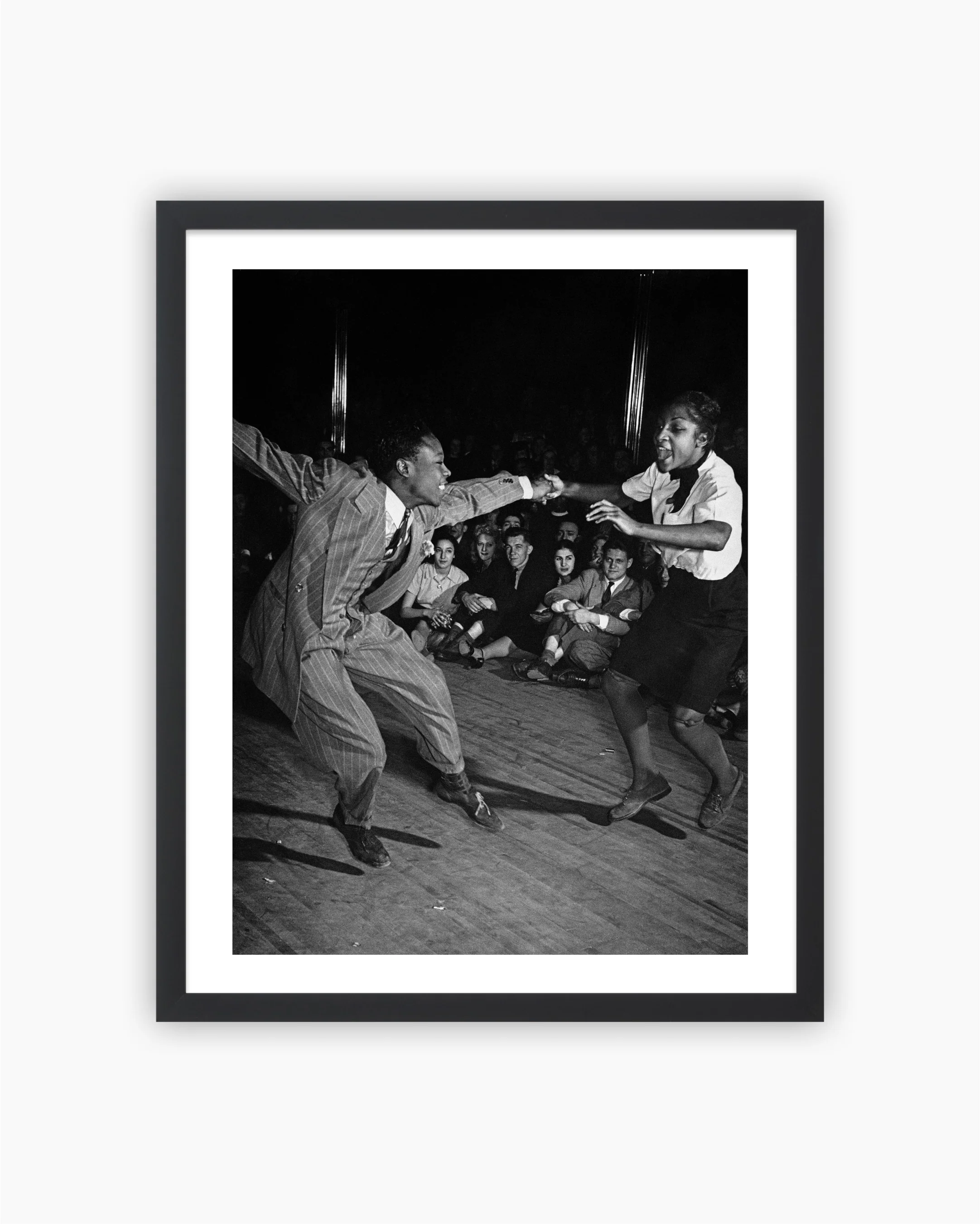
Following in his brother Robert Capa’s footsteps, Cornell Capa became a photographer for Life Magazine in the US in 1946. As his career took off, a scene he would often return to was that of Harlem’s thriving nightlife. This image captures perfectly the energy and passion of his light-footed subjects as they show off their dance moves in an upscale ballroom. After his brother’s death in 1954, Cornell Capa joined Magnum and became president of the agency. There, he produced well-known bodies of work focusing on the first 100 days of President Kennedy’s presidency. He went on to found the International Center of Photography in 1964.
Product Information
Product Information
Shipping & Returns
Shipping & Returns
Magnum Editions: Savoy Ballroom, Harlem, 1939
Magnum Editions: Savoy Ballroom, Harlem, 1939
Following in his brother Robert Capa’s footsteps, Cornell Capa became a photographer for Life Magazine in the US in 1946. As his career took off, a scene he would often return to was that of Harlem’s thriving nightlife. This image captures perfectly the energy and passion of his light-footed subjects as they show off their dance moves in an upscale ballroom. After his brother’s death in 1954, Cornell Capa joined Magnum and became president of the agency. There, he produced well-known bodies of work focusing on the first 100 days of President Kennedy’s presidency. He went on to found the International Center of Photography in 1964.
Original: $400.00
-65%$400.00
$140.00Product Information
Product Information
Shipping & Returns
Shipping & Returns
Description
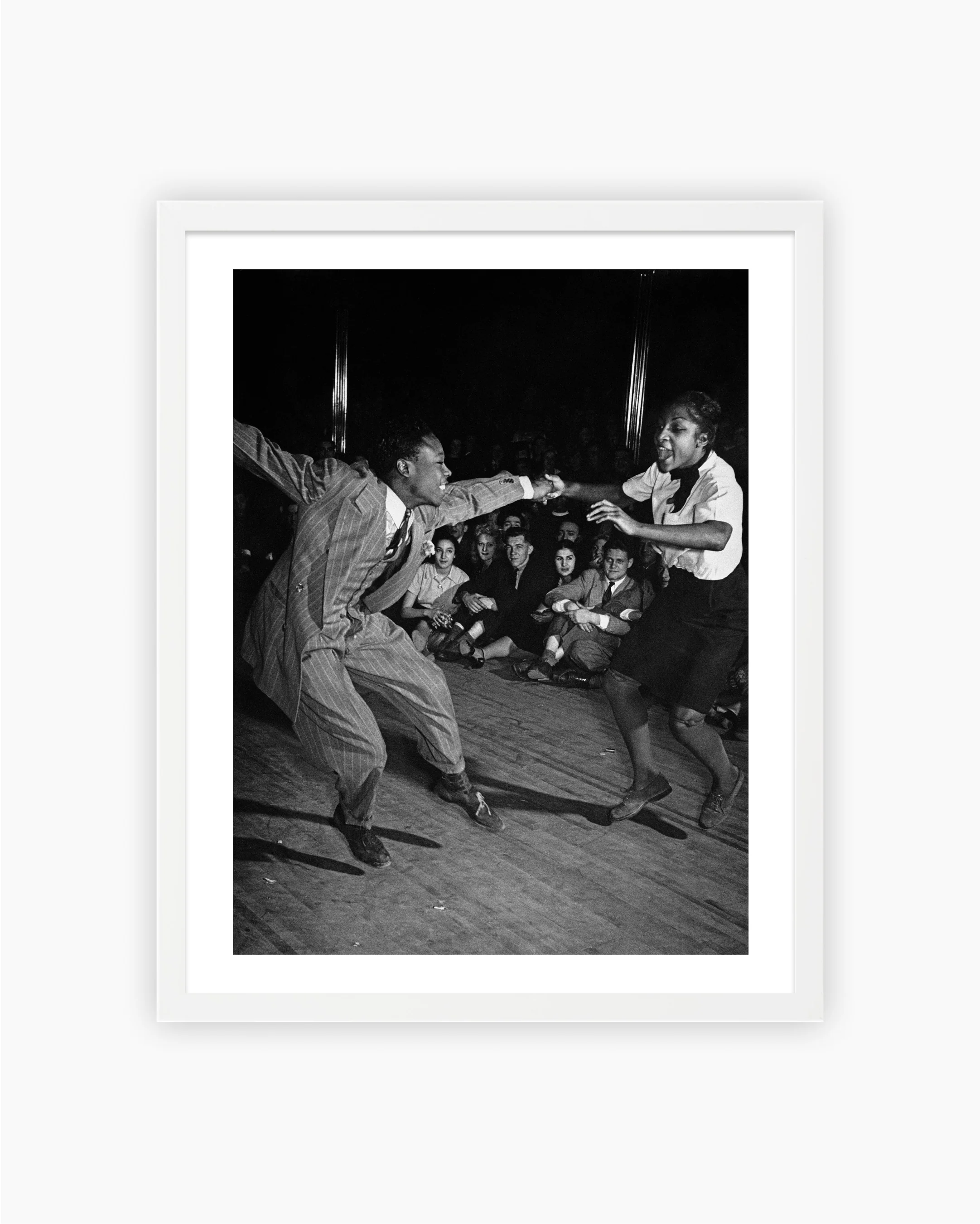
Following in his brother Robert Capa’s footsteps, Cornell Capa became a photographer for Life Magazine in the US in 1946. As his career took off, a scene he would often return to was that of Harlem’s thriving nightlife. This image captures perfectly the energy and passion of his light-footed subjects as they show off their dance moves in an upscale ballroom. After his brother’s death in 1954, Cornell Capa joined Magnum and became president of the agency. There, he produced well-known bodies of work focusing on the first 100 days of President Kennedy’s presidency. He went on to found the International Center of Photography in 1964.